The Hidden Price of Cheap Kibble: Veterinarian Dr. Anshul Rawal on What Bargain Pet Food Is Doing to India's Dogs and Cats
 maniv
maniv
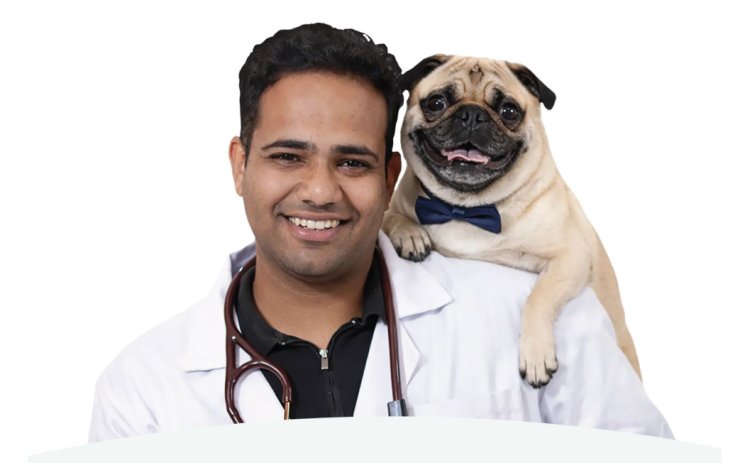
Walk into any pet store in India and the biggest, cheapest bags are stacked at the front. Dry kibble dominates the country's fast-growing pet food market, favoured, as industry analysts at Mordor Intelligence put it, for its "cost-effectiveness, convenience and long shelf life." Veterinarian Dr. Anshul Rawal, founder of Indian fresh pet food brand Pawpeye, says that convenience has a bill attached, and it is the pet that pays it.
"Kibble was designed to solve a logistics problem, not a nutrition problem," Dr. Rawal says. "It was built to survive months in a warehouse and on a shelf. Everything about how it is made follows from that, and a lot of what I see in the clinic follows from how it is made."
What High Heat Does to Food
Most dry pet food is produced by extrusion: a starch-heavy dough is cooked under pressure at roughly 90 to 150 degrees Celsius, forced through a die, dried and coated. Extrusion needs around 20 per cent starch just to bind the pellet, according to pet food consultancy BSM Partners, which is why cereals and other fillers sit so high on the ingredient list of low-cost brands.
That heat also drives the Maillard reaction, the same browning that happens when bread toasts. In pet food it produces advanced glycation end products, or AGEs, compounds that researchers have linked in humans and animals to inflammation, kidney stress and accelerated ageing. Peer-reviewed comparisons of commercial pet foods have consistently found the highest levels of these compounds in extruded dry products, and the lowest in gently cooked fresh foods.
"Nobody is saying one bowl of kibble harms a dog," Dr. Rawal says. "The concern is a lifetime of it. A dog eats the same processed food, at the same heat-damaged nutrient profile, seven hundred times a year, for over a decade. There is no other food in that animal's life."
Cats: The Moisture Problem Nobody Mentions on the Pack
For cats the issue is more basic. Dry food contains at most about 10 per cent moisture, against roughly 80 per cent in wet food, and Royal Canin's own veterinary academy notes that cats fed only dry food take in less total water and produce more concentrated urine. Cats evolved as desert hunters that get most of their water from prey; they are famously poor drinkers.
"The most common conditions I see in indoor cats in Indian cities are urinary and kidney related," Dr. Rawal says. "Concentrated urine, crystals, blockages in male cats, and chronic kidney disease as they age. When I ask what the cat eats, it is almost always exclusively dry food, often the cheapest one, because cats are small and owners assume the food choice is low-stakes. It is the opposite. For a cat, the moisture in the food is the medicine."
The Signs That Show Up First
Pawpeye's clinical observation data, drawn from the cases and customer histories the company has reviewed, suggests how widespread the fallout is: around 80 per cent of dogs show dullness or low energy, 90 per cent experience excessive hair fall and roughly 40 per cent are overweight or obese. The company also points to the commonly cited estimate that up to one in four dogs will develop cancer in their lifetime, a figure that Dr. Rawal stresses has many causes but that diet-driven obesity and chronic inflammation do nothing to help.
He lists the early signals pet parents most often dismiss: persistent shedding beyond seasonal moulting, a coat that feels dry or looks greasy, soft or foul-smelling stools, low energy in an animal under five, constant thirst in a kibble-fed cat, and frequent vomiting of undigested food.
"These are not diseases yet. They are the body saying the fuel is wrong," he says. "Pet parents in India tend to wait for a diagnosis before they change the diet. By then you are managing a condition instead of preventing one."
Cheap Is Not the Same as Economical
Dr. Rawal is blunt about the price argument. "A Rs 1,500 bag that leads to a Rs 15,000 vet bill for a urinary blockage is not the cheap option. The cheapest pet food in India is the one that keeps the animal out of the clinic."
He also cautions against the other extreme, unbalanced home cooking. A 2025 Mars survey found that 26 per cent of Indian pet parents feeding home-cooked meals reported digestive issues in their dogs. "Rice and dal with a bit of chicken is not a balanced diet for a carnivore either. Love is not a nutrient."
Preserved Without Preservatives
Pawpeye's answer was to borrow a method from human food. Its dog and cat meals are cooked and sealed using retort technology, the sterilisation process used for ready-to-eat human meals, which allows the food to stay shelf-stable at room temperature without chemical preservatives, artificial colours or added sugar. Recipes are formulated in-house by veterinarians, use human-grade ingredients and contain no grains, animal by-products or artificial fillers.
"Retort let us solve the logistics problem without sacrificing the nutrition problem," Dr. Rawal says. "It is fresh-cooked food that can sit in a cupboard in Lucknow or Coimbatore for months and still be real chicken and real vegetables when you open it."
The brand publishes a 21-day timeline of what pet parents should expect to see after switching from kibble, from firmer, less smelly stools within three days to noticeably reduced hair fall and better coat shine by day 21.
A Simple Test for Any Pet Parent
Dr. Rawal's advice for anyone unsure whether their pet's food is doing harm is to run a three-week experiment. "Switch to a genuinely fresh, balanced, high-moisture food. Take a photo of your dog or cat on day one and day 21. Note the stools, the shedding, the energy. Your pet will tell you the answer far more honestly than any packet will."
About Pawpeye and Dr. Anshul Rawal
Pawpeye is an Indian pet food brand founded by veterinarian Dr. Anshul Rawal, offering fresh, preservative-free, vet-formulated wet meals for dogs and cats made using retort cooking technology in place of chemical preservatives, artificial colours and added sugar. Veterinary consultations and the full Pawpeye product range, along with updates from Dr. Anshul Rawal, are available through the following channels:
Website: https://pawpeye.com
Instagram: https://www.instagram.com/p/Dc2lWHhzA3p/